
The 7 Best TVs of 2026
Looking for the best TVs? We've researched dozens of top-selling models to find the best picks.
From budget-friendly 4K sets to premium OLED and bright Mini-LED options, these TVs stand out for picture quality, value, and consistent customer satisfaction.
Why You Can Trust TopTechReviewed
We don’t rely on subjective impressions or personal use. Our recommendations come from research and analysis of market data, including sales rank signals, review volume, review sentiment, pricing history, and feature comparisons across competing TVs.
If you want a TV that’s widely purchased, well-reviewed, and competitively priced, this list is built for that goal.
The Best TVs of 2026 (Based on Research, Not Hands-On Testing)
Buying a TV in 2026 is easier when you focus on what consistently performs well in real-world buying behavior: market data, customer reviews, and sales trends. Instead of subjective impressions, this guide is built on research and analysis of top-selling models, review volume, sentiment, and competitive pricing.
Below are our picks across budget, mid-range, and premium tiers, chosen for strong demand, reliable feedback patterns, and standout feature sets at their current market positioning.
Our Top Picks
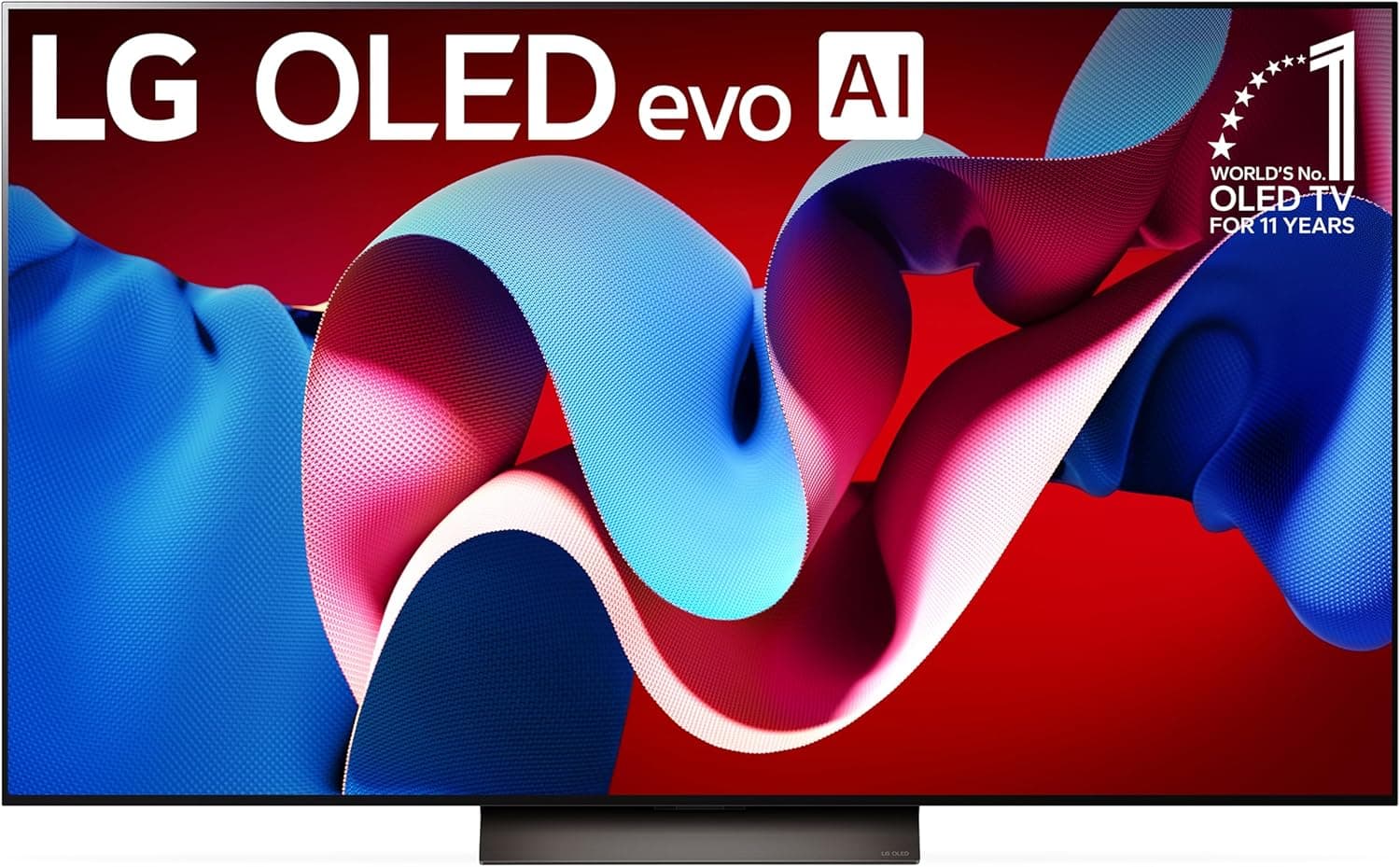
LG 65-Inch Class OLED evo C4 Series (OLED65C4PUA)
A premium OLED pick that balances strong HDR performance, modern gaming features, and a refined smart TV platform.
- OLED contrast for deep blacks
- 120Hz class panel with modern gaming support
- Well-reviewed picture processing and upscaling
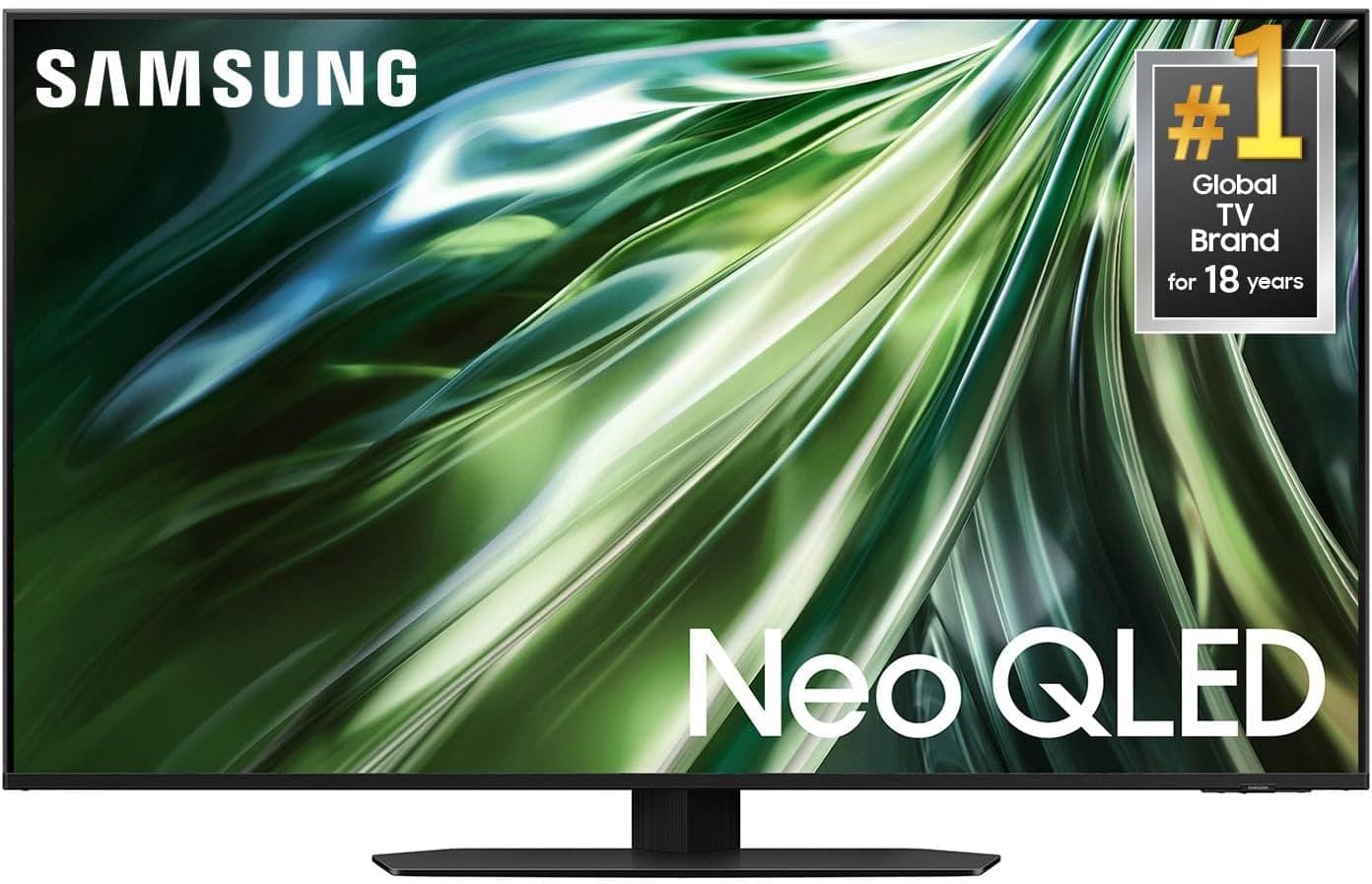
Samsung 65-Inch Class Neo QLED QN90D (QN65QN90D)
A bright Mini-LED TV built for high-impact HDR in bright rooms, with strong motion and gaming-friendly specs.
- Mini-LED backlight for high brightness
- Strong HDR pop and contrast control
- Feature-rich for sports and gaming
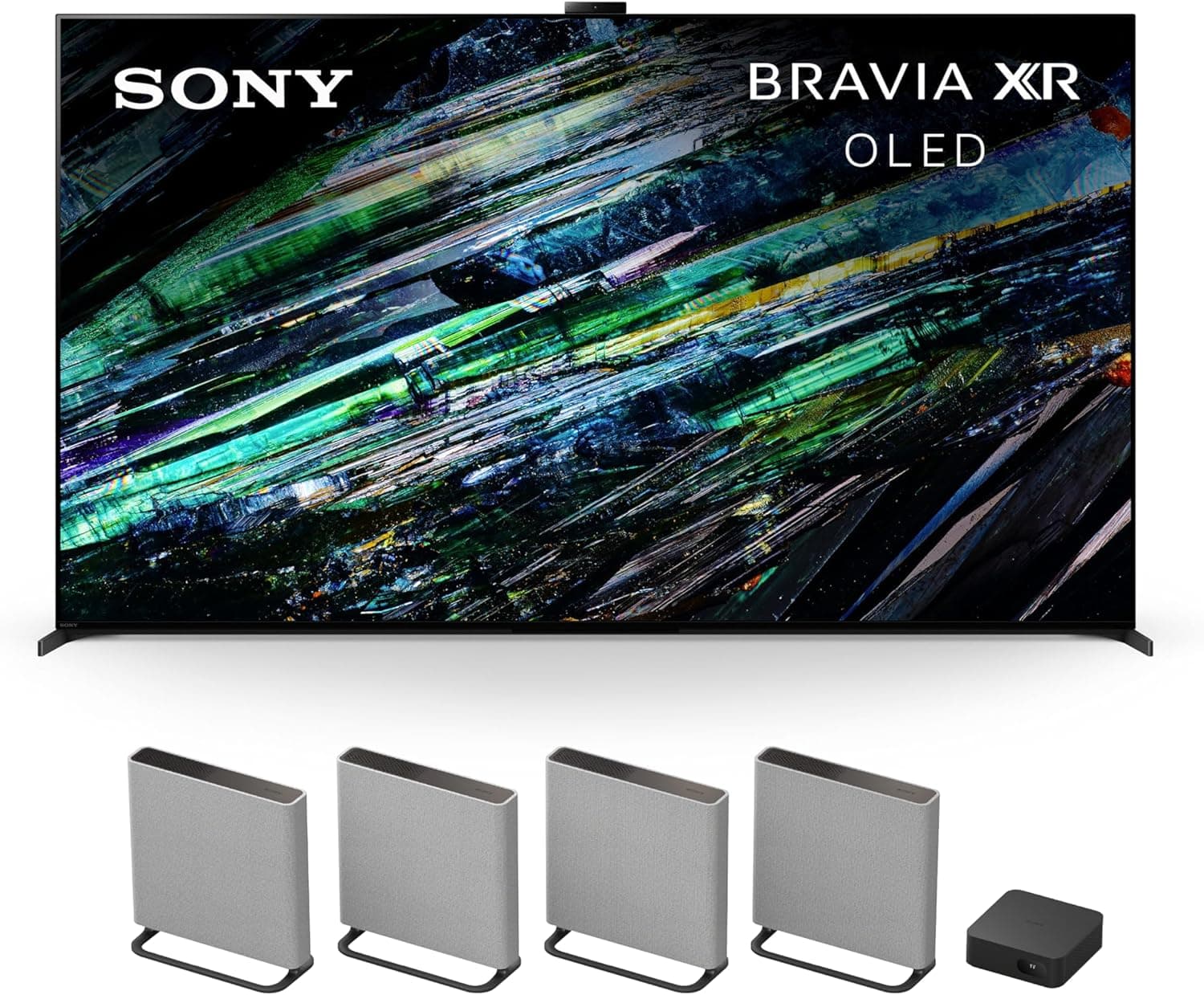
Sony 65-Inch BRAVIA XR A95L QD-OLED (XR65A95L)
A premium QD-OLED option known for color volume, processing, and a cinematic presentation backed by strong review sentiment.
- QD-OLED for strong color and contrast
- Highly regarded processing and upscaling
- Strong fit for movies and premium viewing
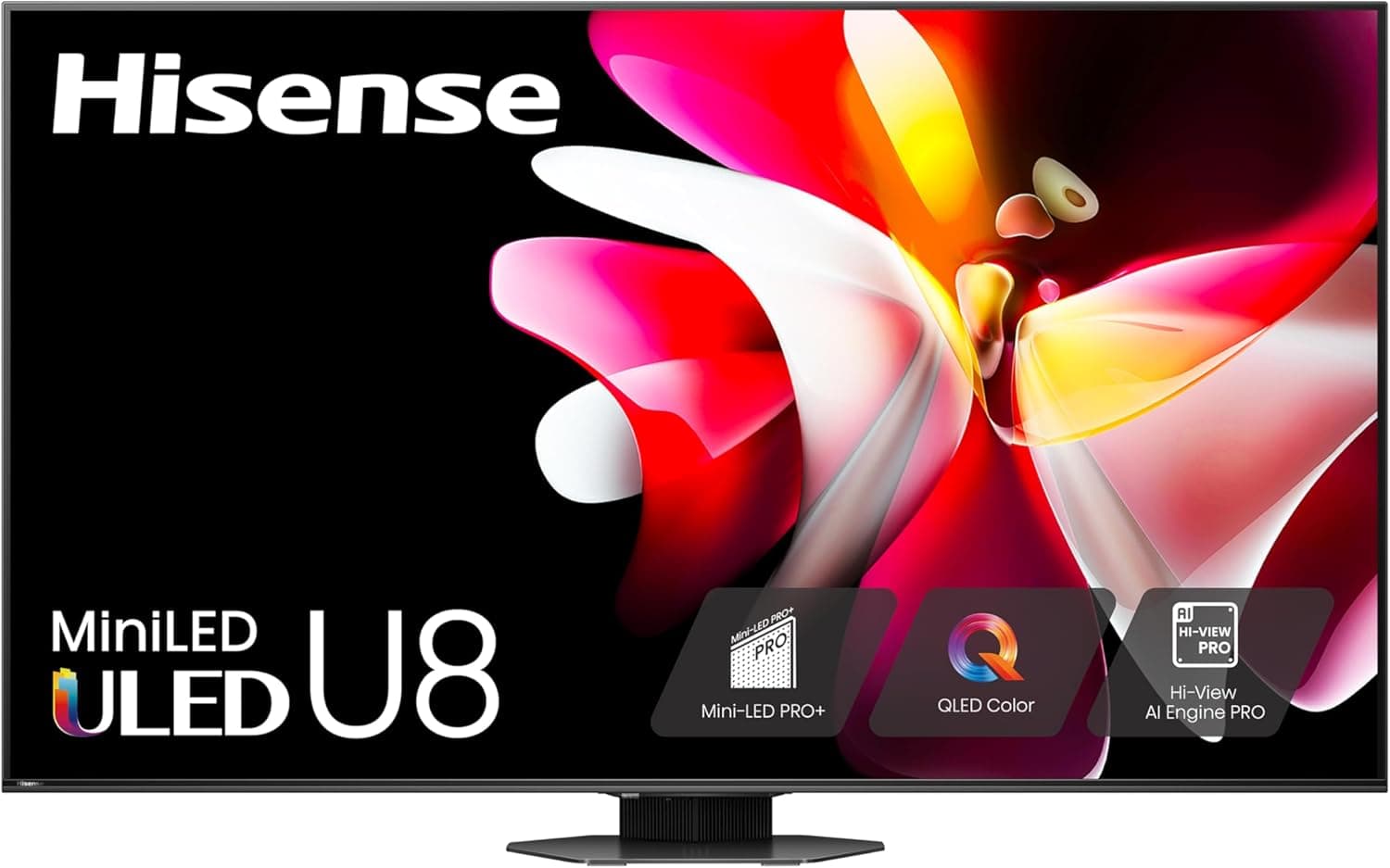
Hisense 65-Inch Class U8 Series (65U8N)
A high-value Mini-LED option that often ranks well for brightness, gaming features, and price-to-performance.
- Strong brightness for the price tier
- Popular gaming feature checklist
- Frequently cited value in customer reviews
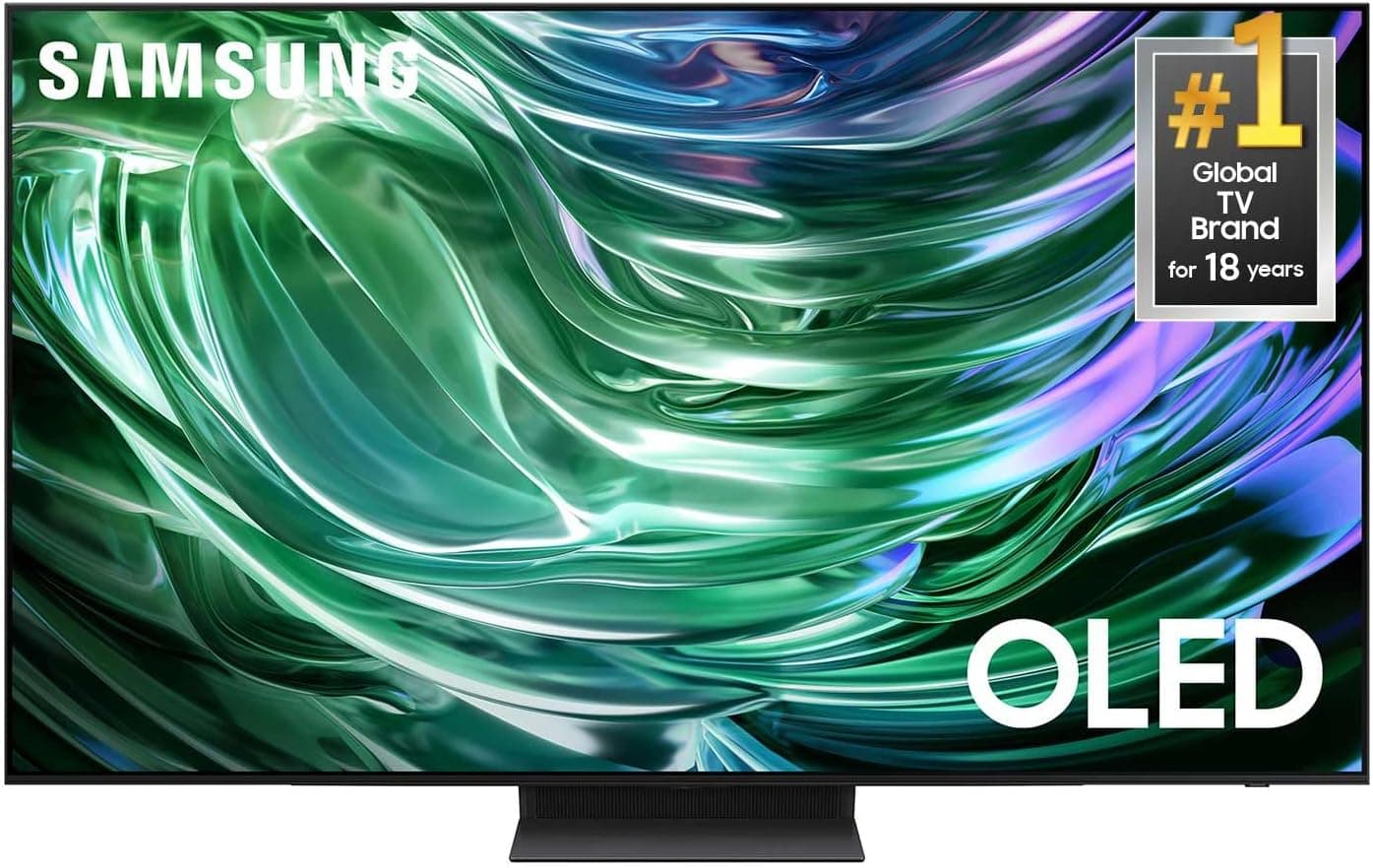
Samsung 65-Inch Class OLED S90D (QN65S90D)
A high-performance OLED alternative that’s frequently shortlisted for vivid color, gaming specs, and strong sales momentum.
- OLED contrast with vibrant color
- Strong gaming-oriented feature set
- Popular model with solid review volume
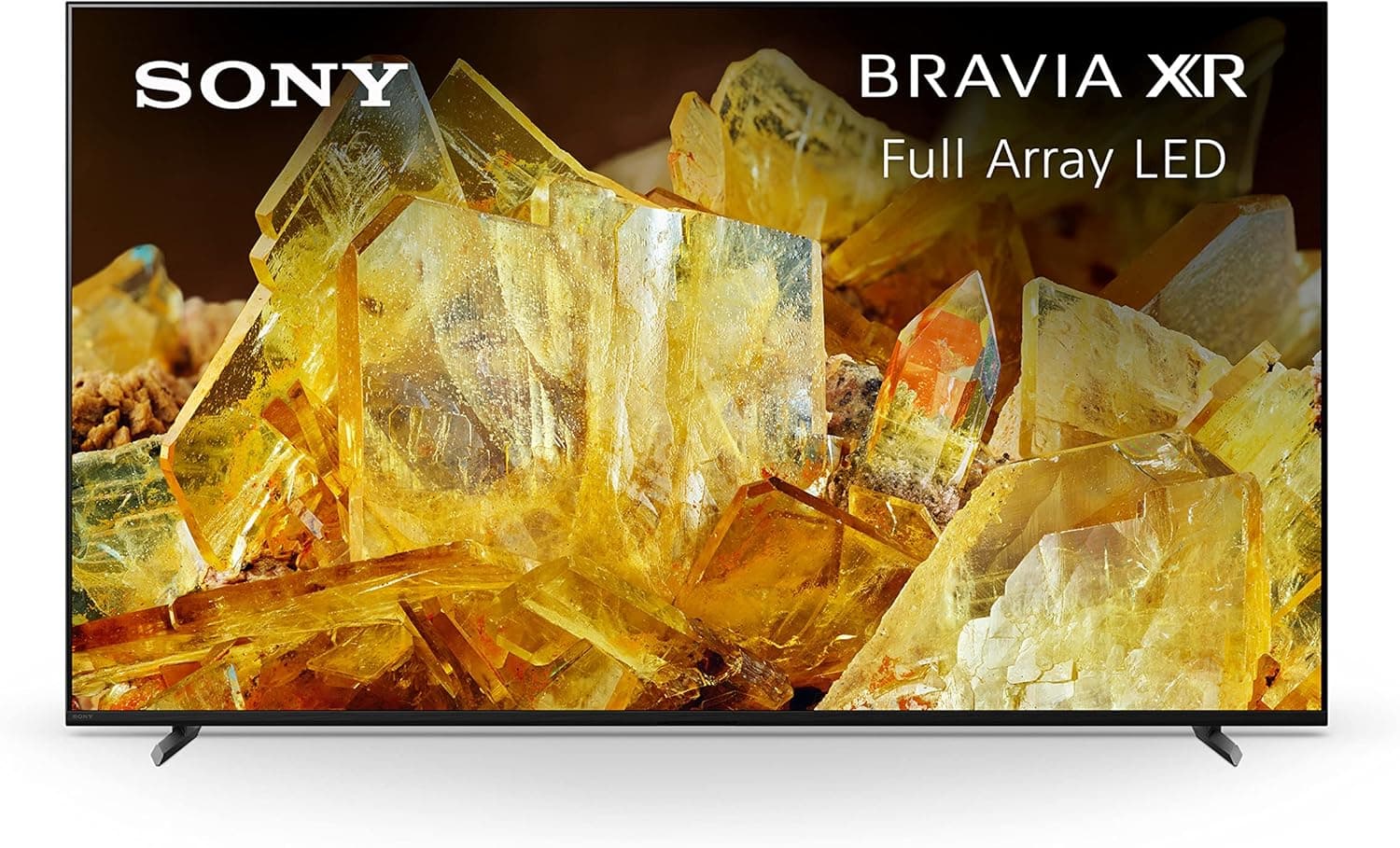
Sony 65-Inch X90L Full Array LED (XR65X90L)
A strong mainstream LED choice that’s widely purchased for balanced picture quality, processing, and brand reliability signals.
- Full-array local dimming for contrast
- Well-regarded upscaling and motion
- Great fit for mixed viewing (movies, sports, streaming)
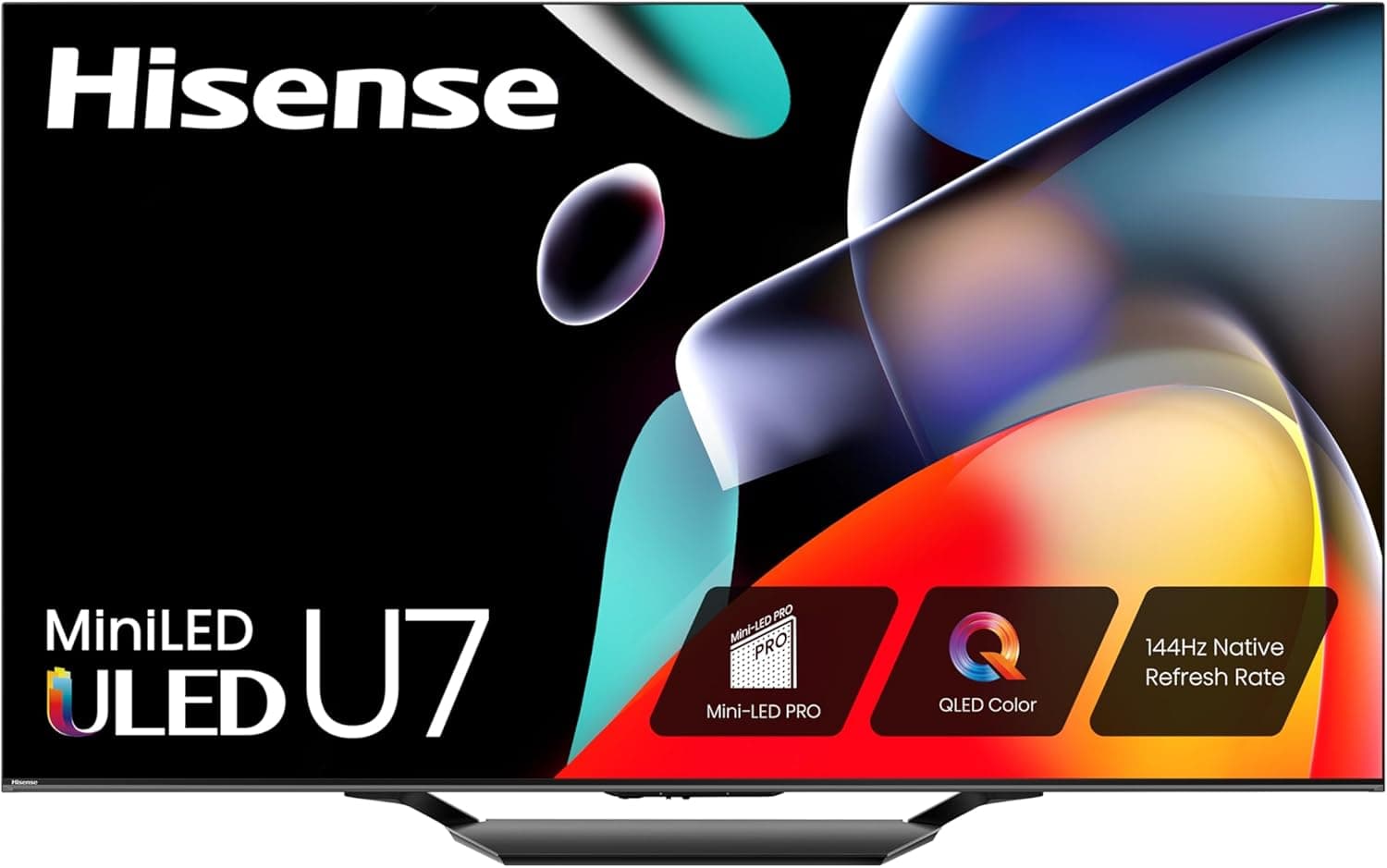
Hisense 65-Inch Class U7 Series Mini-LED (65U7N)
A budget-leaning Mini-LED pick that targets strong features per dollar, including gaming support and HDR capabilities.
- Mini-LED value pricing
- Gaming-oriented specs for the tier
- Strong feature list relative to cost
How We Choose
How We Create Recommendations (Methodology)
Sales Analysis – Identifying top-selling products with proven demand using sales rank signals and sales trends across major listings.
Review Screening – Analyzing hundreds of customer reviews to spot repeat praise, recurring complaints, and reliability patterns.
Price Comparison – Evaluating value at current market pricing and comparing typical price bands across similar models.
Feature Evaluation – Comparing specs across competing models (panel tech, HDR formats, refresh rate, gaming features, smart platform).
Quality Assessment – Looking for reliability and consistent feedback over time, including return/defect themes surfaced in customer reviews.
This approach emphasizes repeatable signals and avoids assumptions based on personal usage.
Frequently Asked Questions
FAQ
Which TV type is best: OLED or Mini-LED?
OLED is known for deep blacks and contrast, while Mini-LED often delivers higher brightness for bright rooms. Our picks reflect both, guided by market data and customer reviews.
What size TV should I buy?
Common “sweet spots” are 55"–65" for most living rooms. If you sit farther away or want a more immersive experience, 75"–85" can make sense—budget permitting.
Do I need 120Hz for gaming?
If you play on PS5/Xbox Series X or a gaming PC, 120Hz and HDMI 2.1 features (VRR/ALLM) can matter. For casual viewing and streaming, 60Hz can still be fine.
Is Dolby Vision important?
Many streaming titles support Dolby Vision, but support varies by brand/model. If you watch a lot of HDR streaming content, Dolby Vision support can be a practical advantage.
How do you verify products?
We only include products with a specific, verifiable Amazon product detail page (DP). We replace anything ambiguous to keep the list precise and reproducible.
Conclusion
The best TV for you depends on room brightness, viewing habits, and whether gaming features matter. The models above were selected through research-driven analysis of market data, sales trends, and customer reviews—favoring value, reliability signals, and competitive feature sets.
If you want the best all-around balance, start with the mid-range Mini-LED and OLED picks. If your room is bright, prioritize Mini-LED brightness and anti-glare strengths. If cinematic contrast is the goal, OLED remains a top choice.
Ready to Buy?
Check out our #1 pick: LG 65-Inch Class OLED evo C4 Series (OLED65C4PUA)
View on Amazon